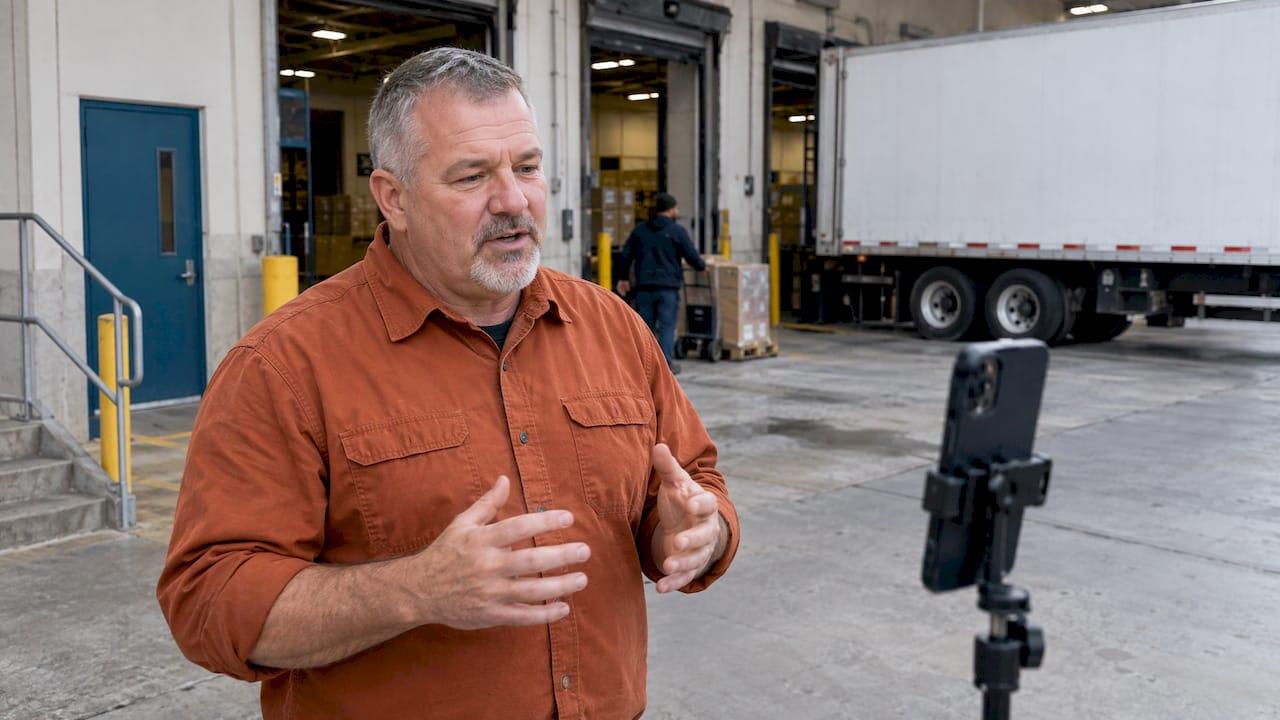
A video job ad is a short clip, usually 30 to 60 seconds, that does the work of a written posting: it shows the role, the pay and schedule, the requirements and the next step. For a FedEx Service Provider hiring pickup and delivery, linehaul or CDL-A drivers, it is the part of the listing a driver can judge in under a minute. The strongest version pairs the video with a complete listing on a board where FedEx-experienced drivers already search, so the viewer can apply right away. For drivers, a good video answers the questions you would otherwise ask on a first call.
TL;DR
- A video job ad is a short, role-specific clip that shows the route, equipment, pay and requirements, then points to one place to apply.
- In one A/B test of 9,958 candidates, adding a 20 to 30 second hiring-manager video to outreach was linked to a 35%+ increase in candidates moving to interview.
- Keep it to 30 to 60 seconds, burn captions into the video, film vertically for phones, and end with a single call to action.
- Track views, drop-off, clicks on the call to action and the quality of applications, not just view counts.
- Drivers: a useful video states pay, schedule, route type and equipment. If those are missing, check the written listing.
Table of Contents
- What a video job ad is, and what it is not
- Why video helps with driver hiring
- What the video should show and say
- A 45-second structure you can reuse
- Filming and formatting for phones
- Where to publish and how to connect viewers to the application
- Measuring whether a video brings qualified drivers
- Promo: reaching FedEx-experienced drivers with your listing
- Perspective: why the listing and video belong together
- For drivers: how to read a video job ad
- FAQ
- Sources
What a video job ad is, and what it is not
A video job ad is built around one open position. It says which role is open, where it runs, what it pays, what the driver must hold (for example a CDL-A, or a clean record for pickup and delivery) and how to apply.

An employer-brand video is different. It tells the story of the company: the culture, the people, the values. It can run for years and serve every role. A video job ad has a shorter life. When the position is filled, you retire it or replace it.
Both have a place. If you hire drivers continuously, you can keep one general video about working at your station and make short ad videos per role. For the employer-brand side on driver job boards, see our employer brand playbook for hiring drivers.
Why video helps with driver hiring
A written posting lists duties and requirements. It rarely shows what a route feels like, who the dispatcher is or what the vehicle looks like. Candidates fill that gap with guesses, and wrong guesses lead to no-shows and early quits.
The Public Service Commission of Canada's recruiting guidance makes this point directly: static ads may not give candidates a complete picture of the job, which can cause early turnover when expectations are not met. Video lets candidates learn more and decide for themselves whether to apply. The source is a Canadian public-sector toolkit, but the hiring logic applies to any employer.
There is also test data. A Sourcing Institute study, described by Maury Hanigan on the Recruiting Community Podcast, split 9,958 candidates in the second quarter of 2024. Half received a recruiter message and a job description. The other half also received a 20 to 30 second video from the hiring manager. The video group saw a 35%+ increase in candidates moving to interview, double the time on the page and fewer rejections.
Hanigan's reading is that the effect comes less from the content than from slowing candidates down. Seeing a future manager makes the role personal and cuts low-value questions, so recruiters talk to people who are more interested and available. That matters for driver roles, where a quick call is often the first filter.
The same Canadian toolkit cites figures that job postings with video get 12% more views and a 34% greater application rate, and that 82% of candidates search for jobs on mobile devices. Treat them as directional figures, not a promise for your station. Your own numbers, measured below, matter more.

What the video should show and say
For a driver, the video has to answer the practical questions. Write the script around that list rather than around your company history.
The role, in the first five seconds
Name the position and the type of work. "We are hiring CDL-A team drivers for linehaul runs" is better than "We're growing." Drivers scan for route type first: pickup and delivery, solo linehaul or team linehaul.
Pay, schedule and home time
Say how drivers are paid and what the schedule looks like. If you list a pay range in the written listing, say the same range in the video and show it on screen. A mismatch between the two erodes trust faster than a modest number does.
Equipment and route
Show the vehicle or tractor and trailer type, the terminal and a typical route. A few seconds of footage of the actual equipment tells a driver more than a paragraph.
Requirements
State the license class, the experience level and any endorsements. Keep it consistent with your written description. If you need a template for the written side, our driver job description template for CDL and delivery roles covers the fields to include.
One person speaking
The test above used the hiring manager. For a Service Provider, that may be the owner, the operations manager or a lead driver who can speak plainly about the work. Brief them on the points rather than handing over a word-for-word script, so they sound natural.
One next step
End with one action: apply through your listing. Name the place and show it on screen. Two or three options split attention and lower the number of people who finish.
A 45-second structure you can reuse
| Seconds | What to show | What to say |
|---|---|---|
| 0 to 5 | Speaker in front of a vehicle | Role, location and route type |
| 5 to 20 | Equipment, terminal, a route clip | Pay structure, schedule, home time |
| 20 to 35 | Speaker, close up | Requirements, license and experience |
| 35 to 45 | Text on screen with the listing link | One call to action to apply |
The Canadian toolkit recommends videos of 30 to 60 seconds with a call to action in the final shot. The table sits inside that range.
Filming and formatting for phones
Most drivers will watch this on a phone, often with the sound off. Three settings matter.
- Orientation. Laurentian University's social media guide prescribes 9:16 (1080 by 1920) for TikTok, Reels and Stories and 16:9 for LinkedIn and X feeds. Facebook, where many drivers browse, supports vertical video, so film vertical by default and export a 16:9 copy if you also post to wider feeds.
- Captions. The same guide states that 85% or more of social video is watched without sound and that captions should be burned into the video rather than relying on auto-captions. Burned-in captions also keep pay figures readable.
- Contrast. It sets a minimum text contrast of 4.5:1 (the WCAG AA standard). Use white text on a dark band, or dark text on a light band, and avoid text over busy footage.
A recent smartphone is enough. Shoot in daylight, keep the phone steady and record in a quiet spot, because clear audio matters more than a polished image. Keep cuts slow so the clip is easy to follow.
If anyone other than the owner appears, such as drivers or dispatchers, get their written consent before you publish. Include a mix of people who work for you. A video that shows only one kind of driver can narrow who sees themselves in the role.
Where to publish and how to connect viewers to the application
A video with no clear path to apply is just content. Plan the path first.
- Post the role on a driver board. Put the full listing where FedEx-experienced drivers already search. The listing holds the details a video cannot: full duties, requirements, location and the application form.
- Use the video where drivers scroll. Share the clip on your company page and in Facebook groups for drivers. Our one week setup for Facebook driver recruiting walks through that channel.
- Send the video in outreach. A short clip in a message gives a candidate a reason to reply. Our guide to five-minute driver messaging that gets replies shows how to word those messages.
- Link the video to the listing, and the listing to the video. The viewer should land on the application, not on your home page.
Timing also helps. Our guide on when to post trucking jobs recommends Tuesday to Thursday from 8 to 11 AM and replying within two hours, which fits the moment the video is live.
For a wider look at video-first options for FedEx contractors, read our video-first playbook for FedEx contractors.
Measuring whether a video brings qualified drivers
Views alone tell you little. Track the full path from view to hire. The Canadian toolkit suggests measuring views and shares, drop-off points, engagement, click-through on the call to action, and résumé volume and quality. It flags a video as a problem when more than half of viewers leave before the end.
For a Service Provider, a workable set looks like this:
- Completion rate. If more than 50% drop off before the end, shorten the clip or move pay and route information earlier.
- Click-through to the listing. Low clicks mean the call to action is unclear or comes too late.
- Applications per video. Compare listings with and without video for the same role.
- Qualified share. Of those who applied, how many hold the right license and experience?
- 90-day retention. The best test of a role description is whether hires stay. Our piece on five trucking recruiting metrics for 90-day retention explains how to track it.
Change one thing at a time, such as the first five seconds or the pay mention, so you know what moved the numbers.
Promo: reaching FedEx-experienced drivers with your listing
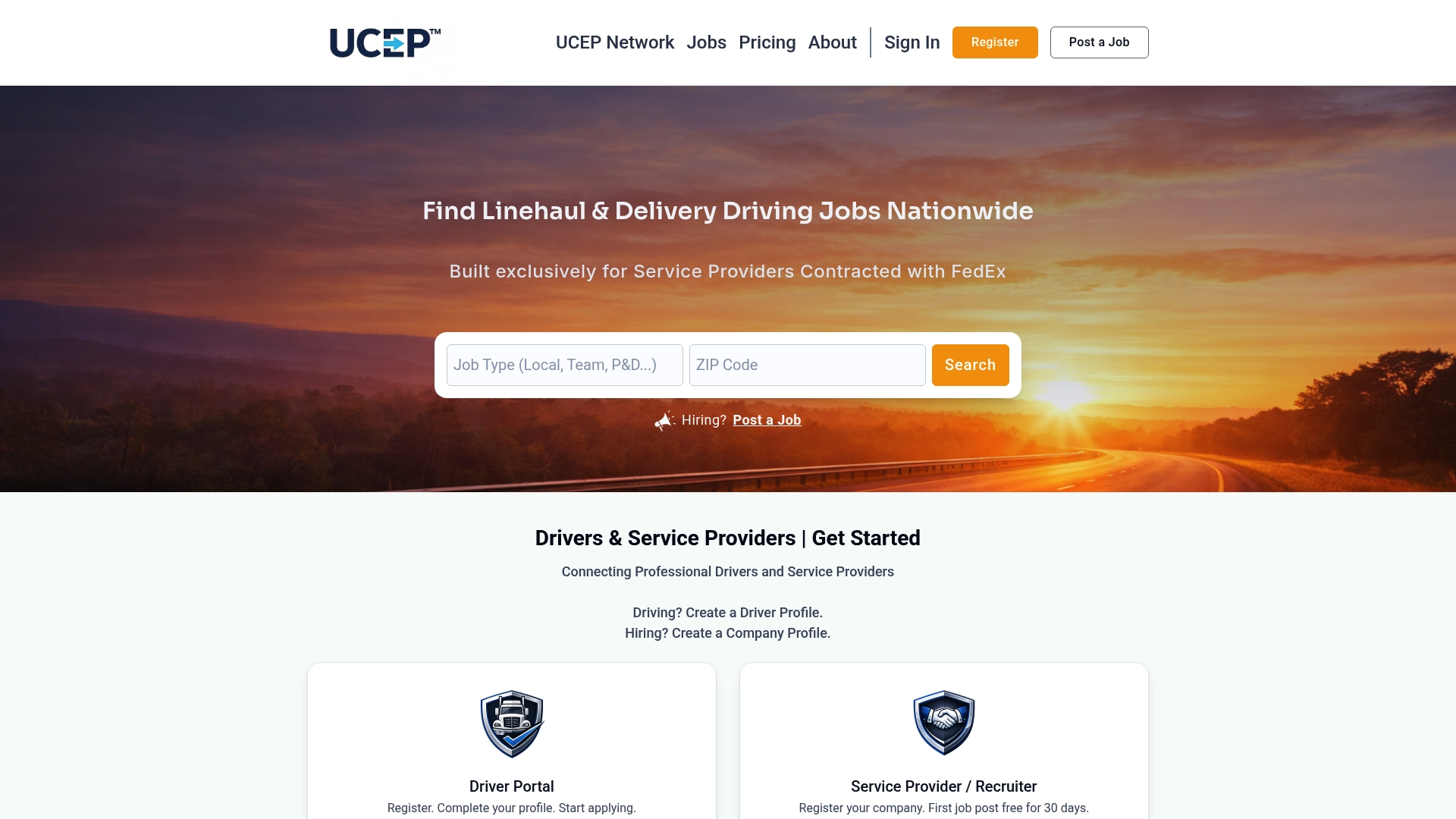
The video earns attention. The listing converts it. UCEP is a job board built only for FedEx Service Providers, with listing categories for pickup and delivery, CDL-A solo linehaul and CDL-A team linehaul roles. Our positioning is that it reaches 140,000+ FedEx-experienced drivers. Each listing comes with a built-in applicant tracking system, so applications from your video traffic land in one place.
You can start with the Complimentary Trial Listing. The Standard Monthly Plan is $99 per month. Both are on the pricing page, and drivers can browse open roles on the FedEx driver jobs page.
Perspective: why the listing and video belong together
We built UCEP for one kind of employer: Service Providers contracted with FedEx. That focus shapes how we think about video.
A video job ad works when the driver who sees it can act on it right away. That means the role in the video matches a listing in a place where FedEx-experienced drivers already look, in the right category: pickup and delivery, CDL-A solo or CDL-A team. When the clip and the listing agree on pay, schedule and requirements, drivers apply with fewer questions, and your recruiter spends time on conversations that count.
Our platform gives Service Providers the tools to handle what comes next: an applicant tracking system, targeted driver alerts, employer and terminal directories and company profile management. A strong video makes your profile easier to trust, and a strong profile gives the video somewhere to send people.
Our advice is to film one clip per open role, keep it under a minute, and treat the listing as the home of the details.
Aaron
For drivers: how to read a video job ad
If you are a driver searching for FedEx-related work, a video can save you calls. Check that it covers these points:
- Route type. Pickup and delivery, solo linehaul or team linehaul.
- Pay structure and schedule. Look for specifics, not just "competitive pay."
- Equipment. What you will drive and who maintains it.
- Requirements. License class, experience and endorsements.
- How to apply. One clear link or instruction.
Then compare the video with the written listing. Employer profiles and reviews on a driver board help you learn how current drivers see the company. Before you accept any offer, our list of questions to ask before accepting a job helps you confirm pay, schedule and expectations in writing.
FAQ
How long should a video job ad for a driver role be?
Aim for 30 to 60 seconds. That is the range the Canadian public-service toolkit recommends, and the test cited above used clips of 20 to 30 seconds. Put role, pay and route in the first 20 seconds so viewers who drop off early still get the key facts.
Do I need a professional crew?
No. A recent smartphone, daylight, a quiet location and burned-in captions are enough for a clear video. Brief the speaker on the points to cover rather than writing a script, so the delivery sounds natural. Clear audio and readable text matter more than production polish.
Should the video replace the written listing?
No. The video draws attention, and the written listing holds duties, requirements, location and the application path. Keep both consistent on pay and schedule. Use the video to send viewers to the listing, where an applicant tracking system collects their applications.
How do I know if the video works?
Compare applications, click-throughs and qualified applicants for listings with and without video. Watch where viewers drop off, and check 90-day retention for hires who came through the video. If more than half leave before the end, shorten it.
Sources
- The Research Behind Employer Branding Videos
- Module 2: Video-Enhanced Job Advertisement, Public Service Commission of Canada
- Guide to Social Media Best Practices, Laurentian University