
Stop pay is extra per-stop pay for intermediate deliveries or pickups on a multi-stop load. In the U.S., it's a contractual term, not a federal right, so nothing forces a carrier or broker to offer it. Your enforcement tool is the rate confirmation. Check it before you roll, confirm it lists a per-stop dollar amount and definition, and save a copy the moment you accept the load.
TL;DR:
- Most stop pay is a flat-rate fee for qualifying stops beyond origin and destination, but it varies by carrier and route type.
- Confirm that the rate confirmation clearly states the per-stop amount and which stops are excluded before accepting a load.
- Unpaid stop pay can be disputed with proper documentation such as ELD logs, signed bills of lading, and timestamped photos, within statutory timeframes.
- Detention, layover, and TONU pay are separate accessorials that can stack, but they are not interchangeable with stop pay.
- Using transparent carrier platforms and detailed record-keeping helps prevent disputes and strengthens collection efforts.
Table of Contents
- What Counts as a Stop for Stop Pay Purposes
- How Stop Pay Gets Calculated and What It's Worth
- Stop Pay vs. Detention, Layover, and TONU
- Negotiating Stop Pay Before You Ever Touch the Dock
- What to Do When a Carrier Won't Pay Stop Pay
- Documenting Stops and Auditing Your Settlement
- Why Clear Accessorial Terms Matter More Than Drivers Think
- Find Carriers That Put Stop Pay in Writing
- Sources
What Counts as a Stop for Stop Pay Purposes
Not every touch on a multi-stop route qualifies. A live stop means someone loads or unloads freight while you wait, which is the clearest case for stop pay. A drop-and-hook stop, where you drop a loaded trailer and hook an empty or pre-loaded one, often pays a lower flat rate because you're not standing around a dock. An intermediate stop is any pickup or delivery between your origin and final destination.
Most rate confirmations explicitly exclude your origin pickup and final destination drop from stop pay. Those are considered part of the base linehaul rate, not extras. Some carriers also write in "pre-authorized route" language that bundles certain stops into the base rate before you ever see the load, so read that section closely.
Watch for these common exclusion patterns:
- Origin and destination stops built into the line-haul rate
- Stops within a set radius of the origin or destination (some carriers exclude anything under 10 to 15 miles)
- Multiple pickups at the same shipper location counted as one stop
- Drop-and-hook stops paid at a reduced flat rate versus live stops
How Stop Pay Gets Calculated and What It's Worth
Most carriers use a flat-per-stop model: a fixed dollar amount for every qualifying stop beyond the first, regardless of how long you're on-site. A smaller number use variable models tied to dwell time, freight class, or stop complexity, similar to how detention pay works.
Industry reporting suggests stop pay commonly runs in a range depending on stop type, region, and carrier policy, varying by these factors. Drop-and-hook stops tend to sit at the lower end. Live stops with real dock time tend to sit higher.
Here's how that plays out on an actual run:
- A five-stop regional route pays $2.50 per mile for 400 miles, plus stop pay for stops two through five.
- At $40 per stop for three additional live stops, that adds $120 to the settlement.
- At $20 per stop for a drop-and-hook lane with four extra stops, that adds $80.
That difference between $80 and $120 on a single load, repeated across a month of multi-stop freight, changes your effective per-mile rate more than most drivers realize.
Stop Pay vs. Detention, Layover, and TONU
These accessorials get confused constantly, and mixing them up costs drivers money on invoices. Detention pays for time waiting beyond a free window (usually 1 to 2 hours) at a single stop. Layover pays for an overnight or extended delay when a load can't move that day. TONU (Truck Order Not Used) pays a flat fee when a load is canceled after you've already dispatched. Lumper fees reimburse third-party loading or unloading labor, separate from any of the above.
- Stop pay compensates for the existence of an extra stop, regardless of how fast it goes.
- Detention compensates for time at a stop once you exceed the free window.
- Layover compensates for a full day lost, not hours.
- TONU compensates for a canceled dispatch, with no stop involved at all.
These can stack. A live stop that runs three hours past the free time can generate both stop pay and detention pay on the same settlement line.
Pro Tip: If a broker's rate confirmation caps "accessorials" at a single flat number, ask them to break out stop pay and detention separately in writing before you accept the load. A combined cap often means you get paid for one or the other, not both.
Negotiating Stop Pay Before You Ever Touch the Dock
Negotiate stop pay before you accept the load, not after you're sitting at stop three wondering why the settlement looks light. Once you've signed or verbally accepted a rate confirmation, you've agreed to whatever it says, or doesn't say, about extra stops.
Ask these questions before committing:
- What is the exact per-stop dollar amount, and does it differ for live versus drop-and-hook stops?
- Which stops are excluded (origin, destination, stops within X miles of either)?
- What's the payment term, net-15, net-30, or something else, and is there a late-payment penalty clause?
- Will stop pay appear as its own line item on the driver settlement, or folded into a general accessorial figure?
Push for specific language on the confirmation itself: "$35 per additional stop beyond origin and destination, live or drop-and-hook, payable per settlement terms below." Vague phrases like "additional stops negotiable" protect the carrier, not you. If net terms aren't stated, treat net-30 as the industry default and get it written down rather than assumed.
What to Do When a Carrier Won't Pay Stop Pay
Unpaid stop pay is a collections problem, and U.S. freight law gives you a real, if narrow, window to fix it. Build your documentation before you need it, not after a dispute starts.
Keep these on hand for every multi-stop load:
- ELD timestamps showing arrival and departure at each stop
- Signed bills of lading (BOL) and proof of delivery (POD) for every stop
- Gate tickets and photos with visible timestamps and truck numbers
- A copy of the original rate confirmation showing agreed stop-pay terms
Contemporaneous documentation, not memory or a verbal agreement, is what turns a stop-pay dispute into a claim an adjuster or a court will actually credit. Timestamped gate photos and ELD geofence logs materially change how a claims adjuster evaluates a dispute.
Work the escalation ladder in order, and don't skip steps out of frustration:
- Call the broker or carrier's accounting department directly within a few days of the missed payment.
- Send a written demand letter citing the specific rate confirmation and stop-pay line items owed.
- File a bond notice against the broker's BMC-84 surety bond if the demand goes unanswered.
- Submit a formal bond claim, ideally as one of the first filed, since the bond pool is limited and surety investigations can take several weeks to a few months(https://freightcollectionsolutions.com/navigating-the-bmc-84-bond-claim-process/).
- Escalate to an FMCSA complaint or a transportation attorney if the bond claim stalls or the bond is exhausted.
Two statutory clocks matter here. 49 U.S.C. § 13710 gives either party 180 days from receipt of a freight bill to contest it, so don't sit on a disputed invoice past that window. 49 U.S.C. § 14705 gives carriers up to 18 months to pursue collection of undercharged amounts after a claim accrues. A detailed rundown of both rules, plus how they interact with false-billing provisions, is worth reading before you file anything formal.
Documenting Stops and Auditing Your Settlement
Prevention beats collection every time. Build a habit of photographing the gate ticket, the BOL signature line, and your ELD screen at every stop, live or drop-and-hook, before you leave the lot.
When your settlement arrives, verify it line by line rather than trusting the total. A proper driver settlement itemizes load earnings, miles, stops, accessorials, and any deductions separately, so a missing stop-pay line is easy to spot if you're looking for it.
- Count the stops on the settlement against your own trip log or ELD history.
- Confirm each stop is paid at the rate quoted on the original confirmation, not a lower substitute.
- Flag any deduction that isn't itemized with a reason and a dollar figure.
- Compare net pay against your own math before accepting the settlement as final.
Pro Tip: Keep a simple spreadsheet with one row per stop: date, load number, stop type, and quoted rate. It takes 30 seconds per stop and turns a settlement dispute into a five-minute comparison instead of a memory exercise.
If you're running with a broker you don't know well, factoring or quick-pay can shift the collection risk off your plate for a fee, which is often cheaper than chasing a slow payer for weeks. A reliable dispatcher who vets brokers before booking loads accomplishes the same thing without the fee.
Why Clear Accessorial Terms Matter More Than Drivers Think
Stop pay disputes usually trace back to one root cause: a rate confirmation that never defined the term in the first place. Some platforms are built on the idea that drivers and Service Providers do better when pay terms are visible before the handshake, not discovered after the load is delivered.
Clearer stop-pay language protects carriers too. A well-defined accessorial schedule cuts down on settlement disputes and repeat calls to dispatch, which saves administrative time on both sides. Use resources like UCEP's service provider reviews to see how other drivers describe a company's pay practices before you sign anything.
— Aaron
Find Carriers That Put Stop Pay in Writing
Certain job boards focus specifically on drivers chasing FedEx-related opportunities, and that focus means you can screen employers before you ever negotiate a rate confirmation instead of learning about their pay practices the hard way. For carriers seeking help with their online presence, the best website builder for trucking company offers an easy way to create transparent job postings and employer profiles. Many listings include driver and Service Provider reviews, so you can see how a company handles accessorials, settlements, and stop pay before you apply.
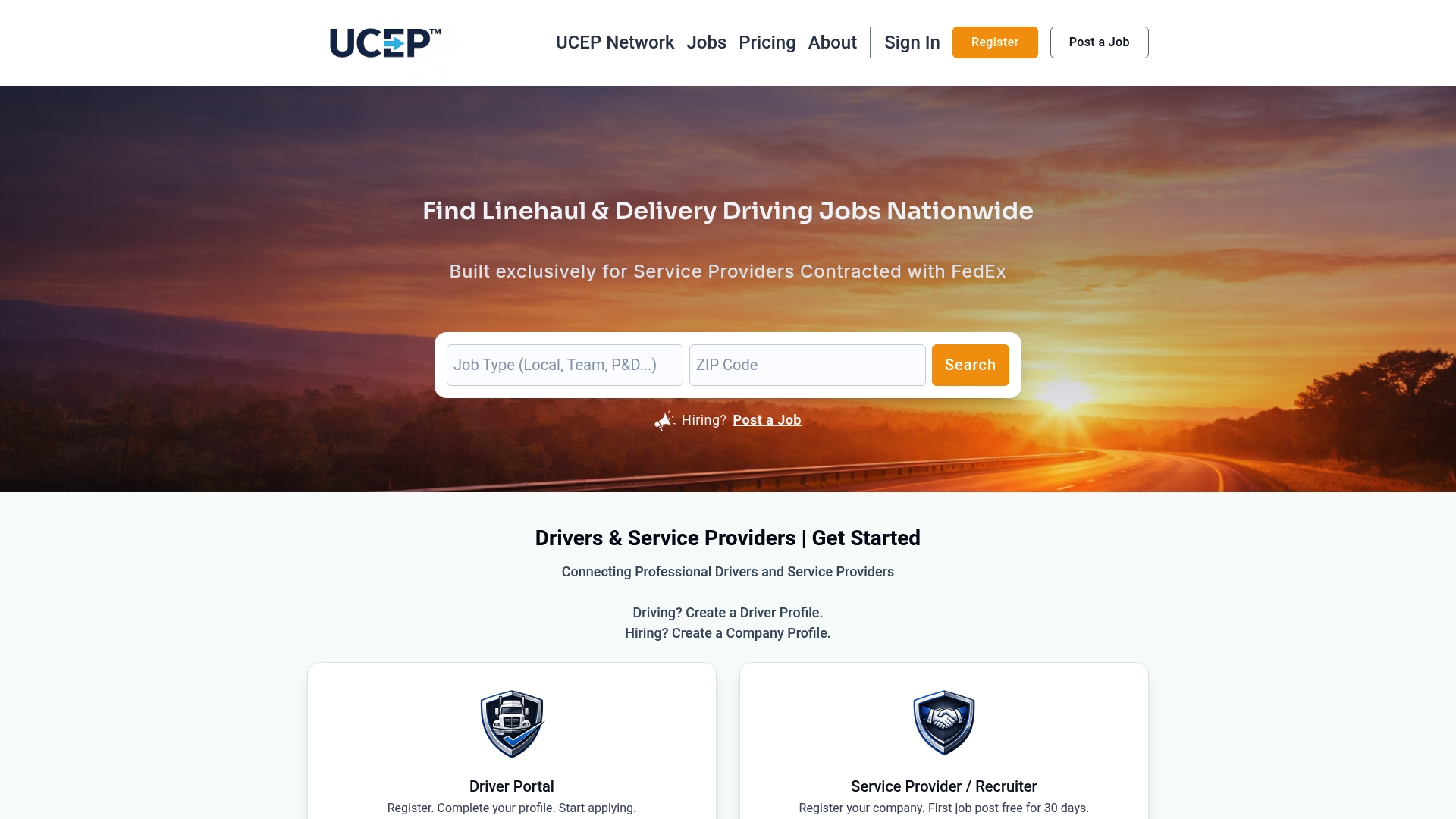
Browse open driver jobs at Four Leaf Recruiting or Revolution Recruiting to compare how each posts pay terms, or check the full list of companies hiring drivers on UCEP nationwide. If you're evaluating an employer's history with settlements and accessorial pay, read the Service Provider reviews other drivers have left before you commit to a load board or a carrier. Start there, then apply to the postings that actually spell out their stop-pay terms in writing.
Sources
For the statutory backbone behind freight payment disputes, read 49 U.S.C. § 13710 on the 180-day bill-contest rule and 49 U.S.C. § 14705 on the 18-month collection window. Benesch's practical rules-of-the-road summary and Truckpedia's driver settlement guide translate both statutes into everyday claim and audit steps.
- 49 U.S.C. § 13710 (Cornell Legal Information Institute)
- Trucking rate, payment, and collection rules of the road | Benesch
- Driver settlements trucking guide | Truckpedia