
Preparing for a CDL truck driving job interview means more than knowing how to operate a commercial vehicle. Employers evaluate your compliance knowledge, professionalism, communication style, and overall readiness for the demands of the role. Here is what you need to cover before you walk in:
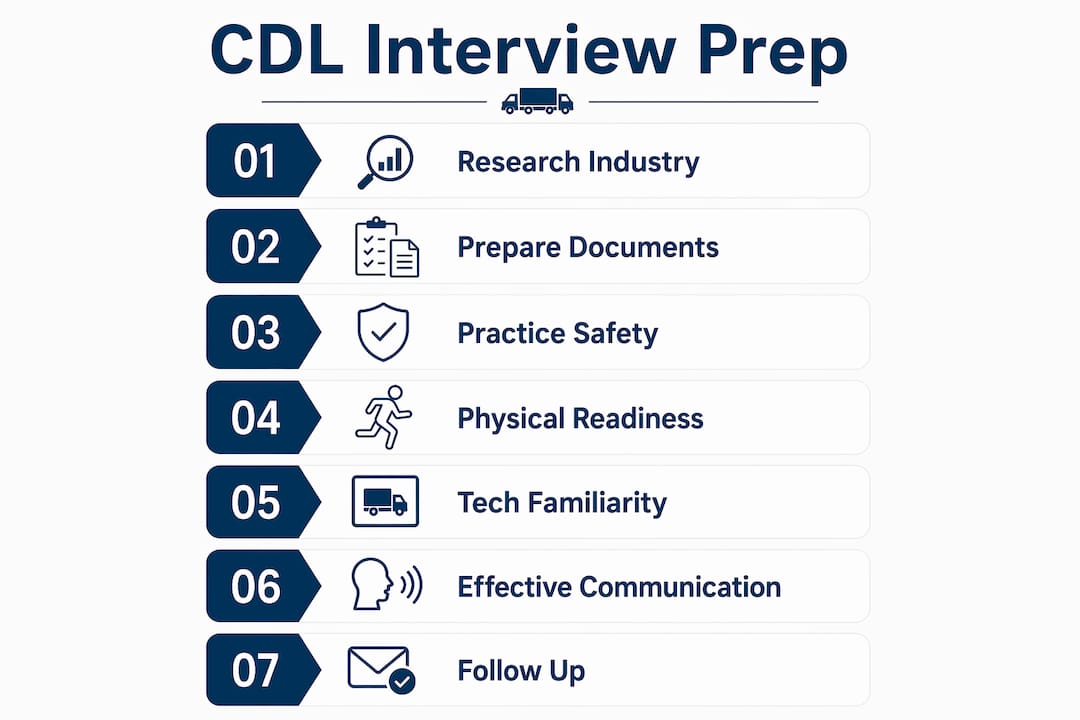
- Understand the role and company. Know whether the position is local, regional, or long-haul, and research the employer's delivery expectations and values.
- Tailor your resumé and gather your documents. Bring your CDL, medical certificate, Motor Vehicle Record (MVR), and employment history.
- Master safety and compliance. Be ready to discuss FMCSA/DOT regulations, pre-trip inspections, electronic logging device (ELD) usage, and hours-of-service (HOS) rules.
- Show physical and mental readiness. Arrive on time, dress professionally, and demonstrate calm under pressure.
- Communicate clearly and concisely. Use structured answers, own your driving history honestly, and stay focused.
- Know your technology. Demonstrate familiarity with ELDs, commercial GPS, and dispatch communication tools.
- Prepare questions and a follow-up plan. Asking about routes, training, and team communication signals genuine interest and long-term commitment.
Confidence, honesty, and professionalism carry weight in every CDL interview. The sections below break down each area in practical detail.
Table of Contents
- How to prepare for a CDL driving job interview: start with the industry
- What documents and resumé materials should you bring?
- What safety and compliance topics do CDL employers ask about?
- How should you present yourself physically and mentally?
- How do you communicate well and handle tough interview questions?
- What trucking technology should you know before the interview?
- What questions should you ask the interviewer, and how do you follow up?
- How Ucep supports CDL drivers in finding jobs and preparing for interviews
- Key Takeaways
How to prepare for a CDL driving job interview: start with the industry
CDL drivers operate within one of the most regulated industries in the United States. The Federal Motor Carrier Safety Administration (FMCSA) sets the rules that govern driver qualifications, vehicle inspections, HOS limits, and drug and alcohol testing. Employers are legally accountable for the drivers they hire, which is why FMCSA compliance is a primary focus in every CDL interview, not just a background topic.
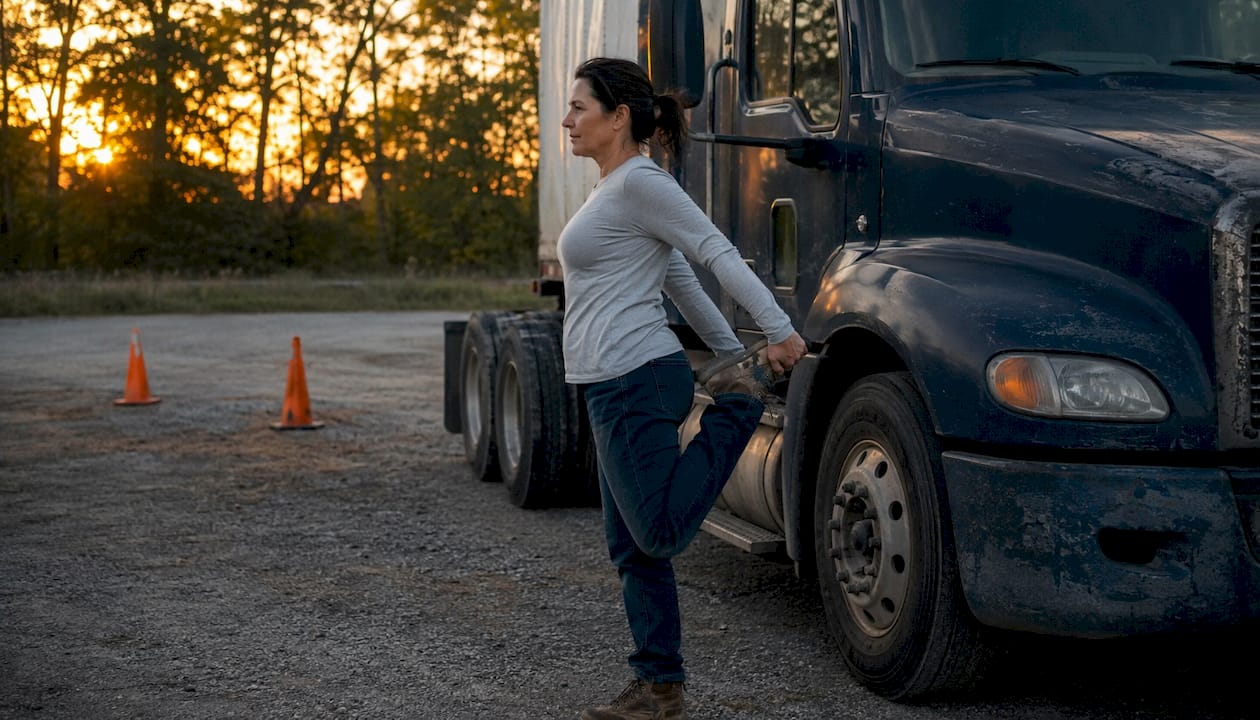
Job roles vary significantly. A local pickup and delivery driver runs shorter routes with frequent customer contact. A regional CDL-A solo driver may be out several days at a time. A long-haul team driver operates around the clock with a co-driver. Each role demands a different skill set, and your answers should reflect that. If you are applying for a linehaul or CDL-A team position with a FedEx-contracted service provider, for example, the interviewer will focus on your ability to manage extended hours, coordinate with a partner, and meet tight delivery windows.
Before the interview, research the company directly. Review their website, understand their delivery network, and identify what they value most, whether that is safety metrics, on-time performance, or customer interaction. Tailoring your answers to the specific employer's priorities is one of the clearest ways to stand out.
Key areas to understand before your interview:
- The difference between CDL Class A, B, and C licenses and which applies to the role
- Whether the position requires endorsements such as HazMat, tanker, or doubles/triples
- The company's service area and typical freight type
- How the employer structures routes, dispatch, and driver communication
- Any publicly available safety ratings or company reviews
What documents and resumé materials should you bring?
Your resumé should be concise and focused. List your CDL class and endorsements at the top, followed by your driving experience in reverse chronological order. Highlight specific vehicle types you have operated, mileage driven, and any safety records or awards. Keep it to one page if possible.
Bringing an organized folder with your key documents shows preparation and respect for the interviewer's time. It also signals that you manage paperwork carefully, a trait that matters in a compliance-heavy role.
Documents to have ready:
- Valid CDL with correct class and endorsements
- Current DOT medical certificate
- Clean or explained Motor Vehicle Record (MVR)
- Proof of employment history, including previous carriers
- Any relevant training certificates or safety course completions
Understanding your CDL class and endorsements and being able to speak to them clearly tells the employer exactly what roles you can fill. If your MVR shows past violations or accidents, prepare an honest, brief explanation. Background checks and drug screens are standard in CDL hiring, and discrepancies between what you say and what the record shows can disqualify you outright. Honesty, paired with a clear account of what you learned, often preserves your candidacy.
What safety and compliance topics do CDL employers ask about?
Compliance is the top hiring priority for most carriers. Employers face significant liability when drivers violate FMCSA/DOT rules, so they screen heavily for regulatory knowledge during interviews. CDL interviews consistently focus on pre-trip and post-trip inspections, ELD operation, HOS limits, and load securement standards.
You should be able to walk an interviewer through a pre-trip inspection from memory, covering the engine compartment, lights, brakes, tires, mirrors, and cargo area. Knowing the specific steps, not just the general concept, demonstrates real-world readiness. Review the trucking skills assessment requirements that transportation employers commonly use to evaluate candidates.
Critical compliance topics to review before your interview:
- FMCSA hours-of-service rules: 11-hour driving limit, 14-hour on-duty window, 30-minute break requirement
- Pre-trip and post-trip inspection procedures under 49 CFR Part 396
- Electronic logging device (ELD) mandate requirements and how to operate common ELD systems
- Drug and alcohol testing protocols under DOT 49 CFR Part 40
- Load securement standards under 49 CFR Part 393
- Hazardous materials regulations if you hold a HazMat endorsement
Key point: Employers emphasize compliance knowledge because violations carry direct financial and legal consequences for the carrier. Demonstrating that you understand this protects both you and the company.
How should you present yourself physically and mentally?
Physical fitness and mental readiness are legitimate hiring factors in CDL roles. A valid DOT medical certificate is required to hold a commercial driver's license, but employers also look for signs that you can handle the physical demands of the job long-term. Stamina, alertness, and stress tolerance all come up in interviews, either directly or through situational questions.
Being physically fit and mentally prepared reflects positively during the interview itself. Arriving rested, composed, and on time sends a clear message before you answer a single question. Stress management is also a practical skill in trucking. Delays, weather, and mechanical issues are routine, and interviewers want to see that you handle pressure without losing focus. Resources on truck driver mental health and stress management can help you prepare for those types of questions.
Practical tips for interview day:
- Dress in clean, pressed business casual attire. Avoid overly casual clothing.
- Arrive 10–15 minutes early to account for parking or check-in procedures.
- Bring water and eat beforehand. A long interview on an empty stomach affects focus.
- Maintain steady eye contact and a calm, measured speaking pace.
- If asked about fatigue management, reference specific habits: sleep schedules, nutrition, and break planning.
- Review your DOT physical status and be ready to confirm your medical certificate is current.
Physical health on the road is also worth discussing. Employers appreciate drivers who take their health seriously, since it directly affects safety and reliability. Maintaining healthy eating habits on the road is one practical area where you can demonstrate self-awareness.
How do you communicate well and handle tough interview questions?
Clear, direct answers are one of the strongest signals of a professional driver. Recruiters prefer concise responses, especially when discussing stress management, delays, or conflict. A driver who rambles or avoids the question raises concerns about how they will communicate with dispatch under pressure.
For behavioral and situational questions, use the STAR method: Situation, Task, Action, Result. This structure keeps your answer focused and shows that you can think through problems systematically. For example, if asked how you handled a delivery delay, describe the specific situation, what you were responsible for, the steps you took, and the outcome.
Communication and problem-solving approaches:
- Keep answers to 60–90 seconds for most questions. Add detail only when asked.
- Use specific examples from your driving history rather than general statements.
- When discussing past accidents or violations, state the facts briefly, explain what changed in your behavior, and move forward. Ownership of past driving record issues with genuine insight is viewed as professionalism.
- Avoid blaming previous employers, dispatchers, or other drivers.
- If you do not know the answer to a technical question, say so and explain how you would find the answer.
Pro Tip: Treat the interview as a two-way evaluation. You are also assessing whether this employer's routes, equipment, and culture are a good fit for you. Recruiters value candidates who demonstrate genuine understanding of safety and equipment care, not just candidates who say the right things.
Common CDL interview questions to practice:
- "Walk me through how you perform a pre-trip inspection."
- "How do you manage your hours to stay compliant with HOS rules?"
- "Describe a time you had to make a safety decision under pressure."
- "How do you handle communication with dispatch when a delivery is delayed?"
- "Have you ever had an accident or violation? What happened and what did you learn?"
- "How do you stay alert on long drives?"
What trucking technology should you know before the interview?
Modern CDL roles depend on technology. Employers expect drivers to operate ELDs accurately, use commercial GPS systems, and communicate through dispatch platforms. Candidates familiar with ELDs and commercial GPS demonstrate readiness for the compliance and efficiency demands of the job.
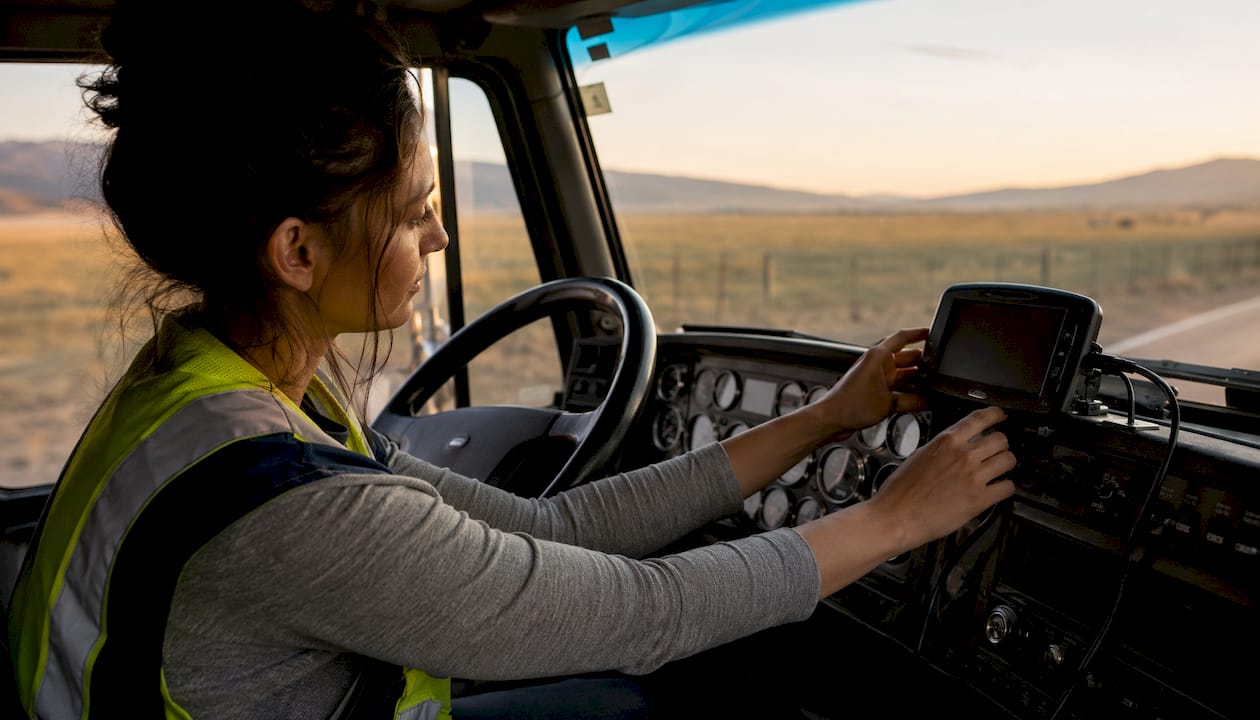
ELD knowledge goes beyond knowing what the device does. You should understand how to log on and off duty, how to edit logs when permitted, and what to do if the device malfunctions. Common ELD systems used by carriers include KeepTruckin (now Motive), Omnitracs, and PeopleNet. If you have used any of these, mention it by name.
Ways to build tech competency before your interview:
- Review the FMCSA's ELD mandate documentation to understand compliance requirements.
- Watch manufacturer tutorial videos for common ELD platforms if you are unfamiliar with a specific system.
- Practice using a commercial GPS app such as CoPilot Truck or Garmin dēzl to understand route restrictions for large vehicles.
- Ask about the company's dispatch communication system during the interview and confirm you can learn it quickly.
- If the role involves a fleet management platform, research it beforehand and mention your willingness to train on it.
Technology comfort also signals adaptability, which is a trait employers value highly in drivers who will represent them on the road.
What questions should you ask the interviewer, and how do you follow up?
Asking thoughtful questions at the end of an interview demonstrates genuine interest and helps you evaluate whether the role is the right fit. Candidates who prepare relevant questions about routes, communication, and training consistently make a stronger impression than those who have nothing to ask.
Avoid questions that focus only on pay or time off in the first interview. Instead, ask about the operational details that affect your day-to-day work.
Sample questions to ask your interviewer:
- "How are routes typically assigned, and how much input do drivers have?"
- "How do drivers communicate with dispatch during delays or unexpected situations?"
- "What does the onboarding process look like for new drivers?"
- "Are there opportunities for additional endorsements or specialized training?"
- "How does the company evaluate driver performance?"
- "What is the typical home time schedule for this route?"
After the interview, send a brief follow-up email within 24 hours. Thank the interviewer by name, reference one specific topic from the conversation, and confirm your continued interest in the role. This step is simple, but most candidates skip it, and it leaves a clear, professional impression.
How Ucep supports CDL drivers in finding jobs and preparing for interviews
Ucep is a job board and recruiting platform built exclusively for Service Providers contracted with FedEx. It connects qualified CDL drivers with linehaul, CDL-A team, CDL-A solo, and pickup and delivery opportunities across the United States, all in one focused place. For drivers preparing for interviews, Ucep offers more than job listings.
The Ucep blog provides practical, recruiter-informed guidance on the skills and knowledge that FedEx-contracted service providers look for in candidates. From compliance knowledge to communication expectations, the content is written with the CDL hiring process in mind. Drivers can also browse companies hiring CDL drivers through the Ucep platform to identify specific employers and prepare targeted answers for each interview.
How Ucep helps CDL drivers prepare and connect:
- Provides a focused job board with CDL-A and delivery driver openings tied to FedEx service providers
- Publishes blog content covering interview preparation, safety compliance, and driver career development
- Offers recruiter insights that reflect what FedEx-contracted employers actually prioritize in hiring
- Helps drivers organize their job search by role type: linehaul, team, solo, and pickup and delivery
- Connects candidates with service providers who value reliability, compliance, and professionalism
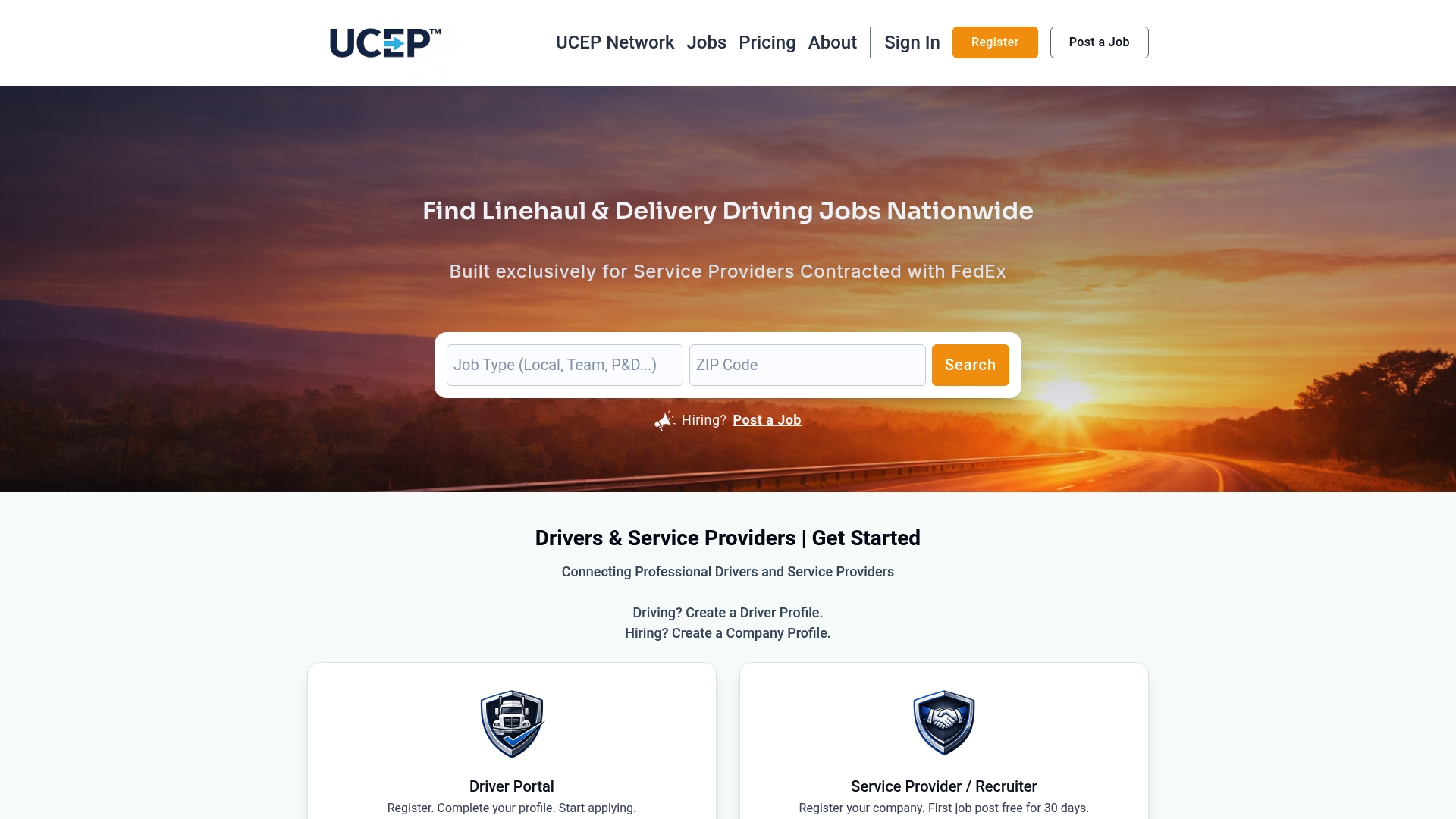
If you are ready to find CDL driving opportunities with FedEx-contracted service providers, browse the Ucep job listings to start your search and put your interview preparation to work.
Key Takeaways
Preparing for a CDL truck driving job interview requires compliance knowledge, organized documentation, clear communication, and professional presentation from the moment you walk in.
| Point | Details |
|---|---|
| Compliance knowledge is essential | Review FMCSA/DOT rules, HOS limits, ELD operation, and pre-trip inspection steps before your interview. |
| Organized documents signal professionalism | Bring your CDL, DOT medical certificate, MVR, and employment history in a single, organized folder. |
| Honesty about your driving record matters | Discrepancies between your statements and background check results can disqualify you; honest explanations often preserve your candidacy. |
| Clear, concise answers reflect dispatch-ready communication | Recruiters interpret focused responses as a sign of a driver who communicates effectively under pressure. |
| Asking questions and following up sets you apart | Thoughtful questions about routes, training, and communication show long-term interest and leave a stronger impression. |