
Most CDL drivers know the job pays. What fewer realize is how many distinct paths exist for cdl driving career growth examples that go beyond simply logging more miles. Job growth for truck drivers is projected at around 4% through 2032, which means steady demand and real room to advance. The question is not whether opportunities exist. It is which path fits your skills, lifestyle, and goals. This article breaks down the criteria you need to evaluate those paths and gives you concrete examples of how drivers have moved forward.
Table of Contents
- Key takeaways
- 1. Key criteria to evaluate CDL career growth opportunities
- 2. Career growth through endorsements and specialized roles
- 3. Role transitions as CDL career growth examples
- 4. Comparison of typical CDL career growth trajectories
- 5. The role of communication in how to succeed in trucking
- My take on long-term CDL career growth
- Find your next CDL opportunity with Ucep
- FAQ
Key takeaways
| Point | Details |
|---|---|
| Endorsements unlock higher pay | HazMat, tanker, and doubles/triples endorsements move earning potential from $55K to $95K or more. |
| Safety record is your top asset | A clean record opens doors to better freight, preferred routes, and promotion opportunities. |
| Role transitions are real career moves | Moving to trainer, dispatcher, or owner-operator counts as structured CDL career advancement. |
| Non-driving paths exist | Safety director, fleet manager, and logistics roles pay six figures and use your CDL experience. |
| Communication accelerates growth | Proactive, professional contact with dispatchers leads to better loads and faster advancement. |
1. Key criteria to evaluate CDL career growth opportunities
Before picking a direction, you need a clear way to measure whether an opportunity is actually a step forward. Not every new role is a promotion. Some lateral moves look better on paper than they are in practice.
Here are the main criteria to apply when weighing any CDL career advancement option:
- Safety record: A clean safety record is the most important factor affecting which routes, freight types, and promotions become available to you. Early mistakes follow you.
- Endorsements held: Your current endorsements determine which freight categories are accessible right now.
- Home time consistency: Dedicated and regional roles offer predictable schedules. OTR roles pay more but reduce time at home. Know what your current life phase requires.
- Earnings trajectory: Compare not just current pay but where the ceiling is. Specialized roles and owner-operator tracks have different earning caps and different risk levels.
- Growth potential within the company: Many carriers promote from within and actively support drivers who communicate career goals. Ask hiring managers directly.
- Networking and communication skills: The ability to work professionally with dispatchers and fleet managers is a genuine differentiator. Drivers who communicate well tend to receive better assignments.
Pro Tip: Before applying to a new role or carrier, write out your three-year career goal. Then ask during the interview how that company supports drivers working toward that goal. Their answer tells you a lot.
2. Career growth through endorsements and specialized roles
Endorsements are one of the most direct CDL job growth tips available because they immediately expand the types of freight you can legally haul. More freight options mean better pay and more negotiating leverage.
The three endorsements with the biggest impact are:
- HazMat (H): Required for transporting hazardous materials including chemicals and fuel. Adds access to higher-paying freight and government contracts.
- Tanker (N): Opens liquid and bulk commodity hauling. Often combined with HazMat for the X endorsement.
- Doubles/Triples (T): Allows you to pull multiple trailers. Common in certain western states and useful in high-volume freight networks.
Specialized drivers earn between $72,000 and $95,000 annually, compared to $45,000 to $55,000 at the entry level. That is a meaningful difference that compounds over a career. The progression typically looks like this: you start in general OTR freight, build 12 to 18 months of clean driving history, then pursue the endorsement tests that align with freight demand in your region.
Some carriers pair endorsement incentives with paid CDL training programs that last 3 to 8 weeks. If your current employer offers endorsement reimbursement, that is an easy first step. If not, the out-of-pocket cost for most endorsement tests is low compared to the long-term pay increase.
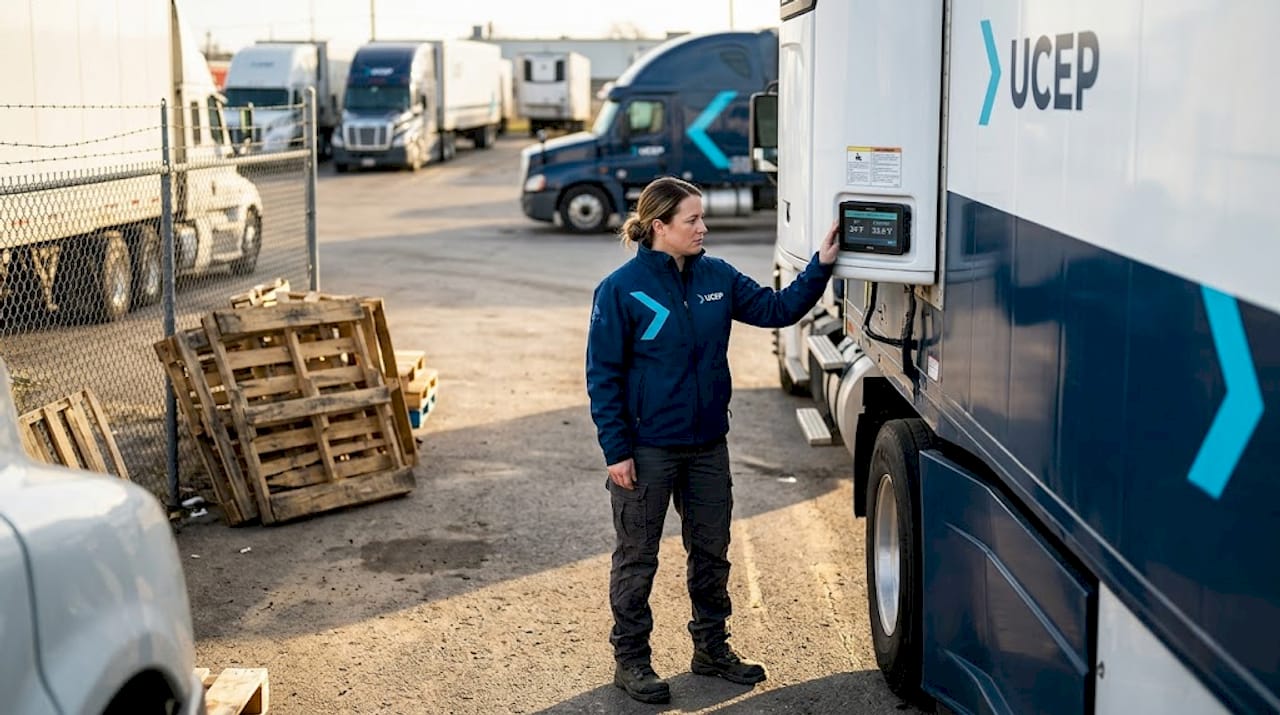
The specialized hauling world also includes auto transport, oversize/overweight loads, and refrigerated freight (reefer). Each requires different certifications or permits, but all represent distinct trucking industry career paths with their own pay scales and demand cycles.
3. Role transitions as CDL career growth examples
Some of the most significant truck driving success stories do not involve staying in the driver's seat. They involve moving into roles that use driving experience in a different way.
Here are four common role transition paths and what they involve:
-
Driver trainer or mentor: After two or more years of clean driving, many carriers allow experienced drivers to train new CDL holders. Pay typically supplements base driving income. It also builds leadership skills that matter for further advancement.
-
Dispatcher or fleet coordinator: Drivers who understand freight logistics from the road have a practical advantage in dispatch roles. Expressing your career goals to your fleet manager is usually how this transition starts. You move from the cab to coordinating loads and communicating with drivers directly.
-
Safety director or compliance officer: Carriers need people who understand DOT regulations from personal experience. Former drivers who pursue safety certifications can access roles paying six figures. Non-driving paths in safety, dispatch, and fleet management represent legitimate and often overlooked career trajectories.
-
Owner-operator: This is the most discussed transition in trucking. Owner-operators can earn $80,000 to $150,000 net annually, but they carry the costs of maintenance, fuel, insurance, and business administration. It is not a salary increase. It is a business launch.
"Moving into owner-operator status changed everything about how I thought about money. I stopped seeing myself as an employee and started thinking like a business owner. That shift is harder than the paperwork." — Composite account from multiple driver interviews
Understanding what it takes to succeed as a team driver in a service provider environment is also worth studying before you commit to an owner-operator structure. The responsibilities multiply quickly.
4. Comparison of typical CDL career growth trajectories
Not all paths suit all drivers. Your priorities around home time, risk tolerance, and long-term earnings should shape which direction you pursue.
| Career path | Typical annual income | Home time | Risk level | Growth ceiling |
|---|---|---|---|---|
| Entry-level OTR | $45,000 to $55,000 | Low (weeks out) | Low | Moderate |
| Regional/dedicated | $55,000 to $72,000 | Medium to high | Low | Moderate |
| Specialized hauling | $72,000 to $95,000+ | Variable | Low to medium | High |
| Owner-operator | $80,000 to $150,000 net | High (self-set) | High | Very high |
| Dispatcher or safety director | Up to six figures | High | Low | High |
Salary data by career phase confirms this range is consistent across most major carriers in 2026. Walmart, for example, pays up to $110,000 for long-haul drivers, demonstrating what the premium end of the driver market looks like.
The table above also makes one thing clear: non-driving paths are not fallbacks. Dispatcher and safety leadership roles offer stability, consistent home time, and pay that rivals specialized hauling without the physical demands of daily driving.
Pro Tip: Career growth also means aligning your role with your life phase. Drivers with young children often shift from OTR to dedicated local routes for predictable home time. That is not a step backward. It is a strategic adjustment that prevents burnout and keeps your record clean.
5. The role of communication in how to succeed in trucking
Most drivers underestimate how much professional communication affects their career. This is one of the CDL job growth tips that gets the least attention but delivers outsized results.
Proactive communication with dispatchers leads directly to better load assignments, fewer deadhead miles, and more consistent home time. The key shift is moving from a reactive posture ("I got a bad load again") to a proactive one ("Here is my availability and preferred region for next week"). Dispatchers manage dozens of drivers. The ones who communicate clearly and reliably get priority treatment.
This also applies when you want to move into a different role. Managers cannot advocate for you if they do not know what you want. Stating your goals clearly and consistently puts you on the list when training positions or office roles open up.
My take on long-term CDL career growth
In my experience watching drivers grow their careers over time, the ones who advance fastest share one trait that does not show up on a resume. They treat the early years as an investment period rather than a waiting period.
What I mean is this: most drivers who stall out spend their first two years focused only on miles and paychecks. The drivers who move quickly treat those same two years as a time to build a spotless safety record, develop relationships with dispatchers, and quietly research their next move. Those habits compound.
I have also seen a pattern with endorsements. Drivers wait until they feel "ready" to pursue HazMat or tanker certification. But readiness rarely arrives on its own. The practical step is to schedule the test, study for it, and let the certification open doors you did not know were there.
One more thing I would push back on: the idea that owner-operator is the ultimate goal for every driver. It is the right move for some and the wrong move for others. Shadowing an owner-operator for a week before committing is the most practical due diligence you can do. See the paperwork. See the down days. Then decide.
The drivers who thrive long-term are not necessarily the ones who chased the highest income. They are the ones who aligned their role choices with their actual life and stuck with good habits when it was inconvenient.
— Aaron
Find your next CDL opportunity with Ucep
Ucep is built specifically for CDL drivers who want to find quality driving opportunities connected to FedEx Service Providers nationwide. Whether you are looking to start in linehaul, move into a CDL-A solo or team role, or find a dedicated pickup and delivery position, Ucep puts verified job listings in one focused place.
You can browse companies hiring drivers right now, or check service provider reviews to get real insight into what working with specific carriers is actually like before you apply. The CDL recruiting market is noisy. Ucep is designed to cut through that. Start with the listings, read the reviews, and make a more informed next step in your trucking career. Explore the Ucep network to see what is available in your region today.
FAQ
What are some real examples of CDL career growth?
Common examples include gaining HazMat or tanker endorsements to access higher-paying freight, transitioning from OTR driver to driver trainer or dispatcher, and moving into owner-operator status. Each path involves specific steps and different income and lifestyle tradeoffs.
How much can a CDL driver earn with career advancement?
Entry-level OTR drivers typically earn $45,000 to $55,000 annually. Experienced specialized drivers earn $72,000 to $95,000 or more, and owner-operators can net $80,000 to $150,000 depending on their freight and cost management.
What is the fastest way to advance as a CDL driver?
Maintaining a clean safety record and pursuing endorsements early are the two fastest levers. [Proactive communication](https://ec-ifas.org/2026/02/07/how-i-went-from-a-fresh-cdl-to-a-stable-otr-position-in-12 months/) with dispatchers and expressing career goals to management also accelerates advancement significantly.
Can CDL drivers move into non-driving careers?
Yes. Many experienced drivers transition into dispatch, safety compliance, or fleet management. These roles leverage direct driving experience and can pay six figures while offering consistent home time.
Is becoming an owner-operator always the best career move?
Not for everyone. Owner-operators carry significant financial risk and business responsibility. Shadowing an existing owner-operator before committing helps you assess whether the lifestyle and workload match your goals.