
CDL-A solo driving opportunities in 2026 are defined as single-driver commercial trucking roles requiring a Class A Commercial Driver's License, covering routes from local delivery to long haul over-the-road (OTR) runs. Companies like Swift Transportation and Ryder are actively hiring, with weekly pay ranging from $1,200 to $1,800 depending on route type and employer. Annual earnings can reach $103,000 for experienced drivers on premium routes. This guide walks you through every step: understanding role types, meeting qualifications, applying effectively, and maximizing your compensation package.
What cdl-a solo driving jobs are available in 2026?
Solo truck driving jobs in 2026 fall into four main categories: OTR (over-the-road), regional, dedicated, and local. Each has a distinct schedule, pay structure, and lifestyle trade-off. Knowing the difference before you apply saves you from taking a job that does not fit your life.
OTR (Over-the-Road) routes cover long distances across multiple states, often keeping drivers away from home for one to three weeks at a time. Pay is typically the highest of all four categories because of the extended time away. Swift Transportation, for example, operates OTR routes with late-model Kenworth, Freightliner, Volvo, and International tractors, which reduces maintenance stress on the driver.
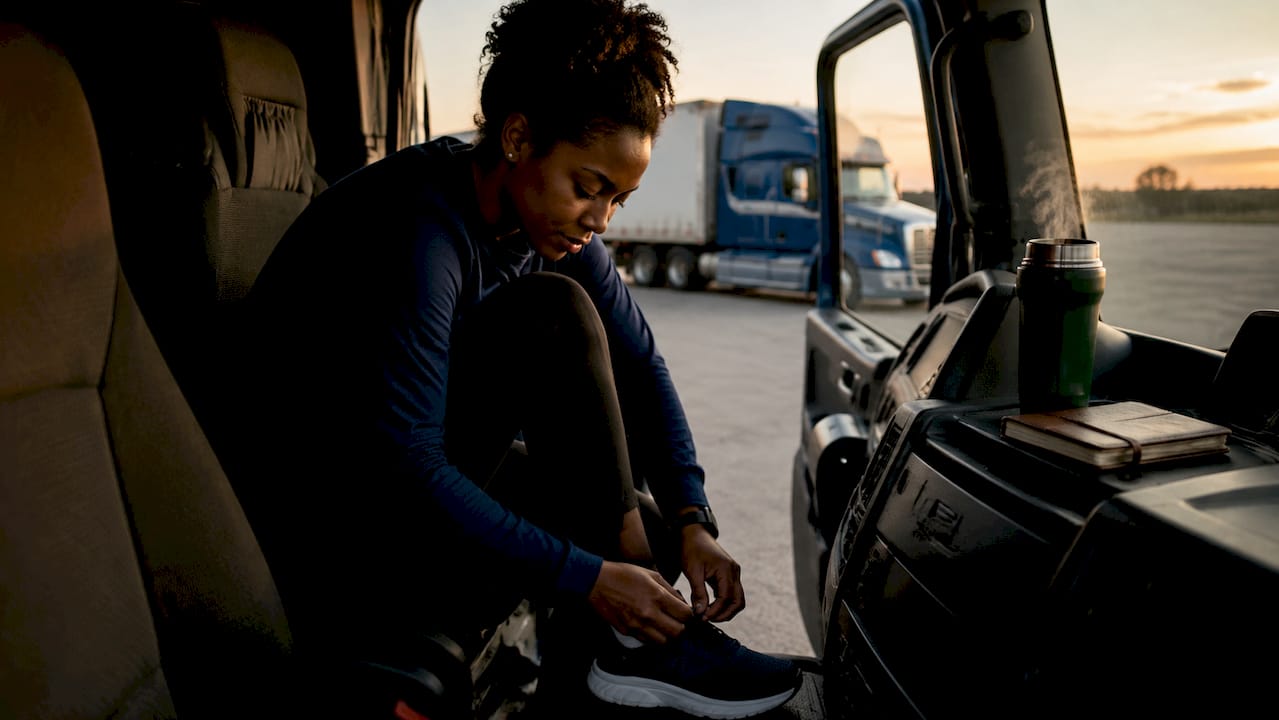
Regional roles keep you within a defined geographic area, usually returning home two to four nights per week. Ryder's regional CDL-A positions pay $0.59 per mile plus stop pay of $30 per stop and layover pay of $35, with drivers averaging 50+ hours per week. This structure suits drivers who want consistent pay without sacrificing all home time.
Dedicated routes assign you to a single customer or lane, meaning predictable schedules and familiar freight. Pay is usually competitive with regional, but the routine can feel repetitive over time. Local roles keep you home daily, trading higher per-mile pay for shorter shifts and urban driving conditions.
| Role Type | Home Time | Pay Model | Best For |
|---|---|---|---|
| OTR | 1–3 weeks out | Per mile, highest rates | Maximum earnings |
| Regional | 2–4 nights out | Per mile + stop pay | Balance of pay and home time |
| Dedicated | Mostly home weekends | Per mile or hourly | Predictable schedule |
| Local | Daily | Hourly or per stop | Family-focused drivers |
Pro Tip: Before accepting any offer, calculate your actual take-home pay by multiplying the per-mile rate by your expected weekly miles, then subtract estimated fuel surcharges or deductions. A higher rate per mile means nothing if the miles are not there.
What qualifications do you need for a solo cdl-a job?
A valid CDL-A license is the baseline requirement for all solo driving roles. Beyond that, experience thresholds and endorsements vary significantly by company and route type.
Experience requirements commonly include one of three tiers: 9 months within the past 3 years, 2 years within the past 5 years, or 5 years within the past 10 years of tractor-trailer or comparable vehicle operation. This tiered structure means that even newer CDL-A holders can qualify for some positions, while premium routes at top carriers require a longer track record.
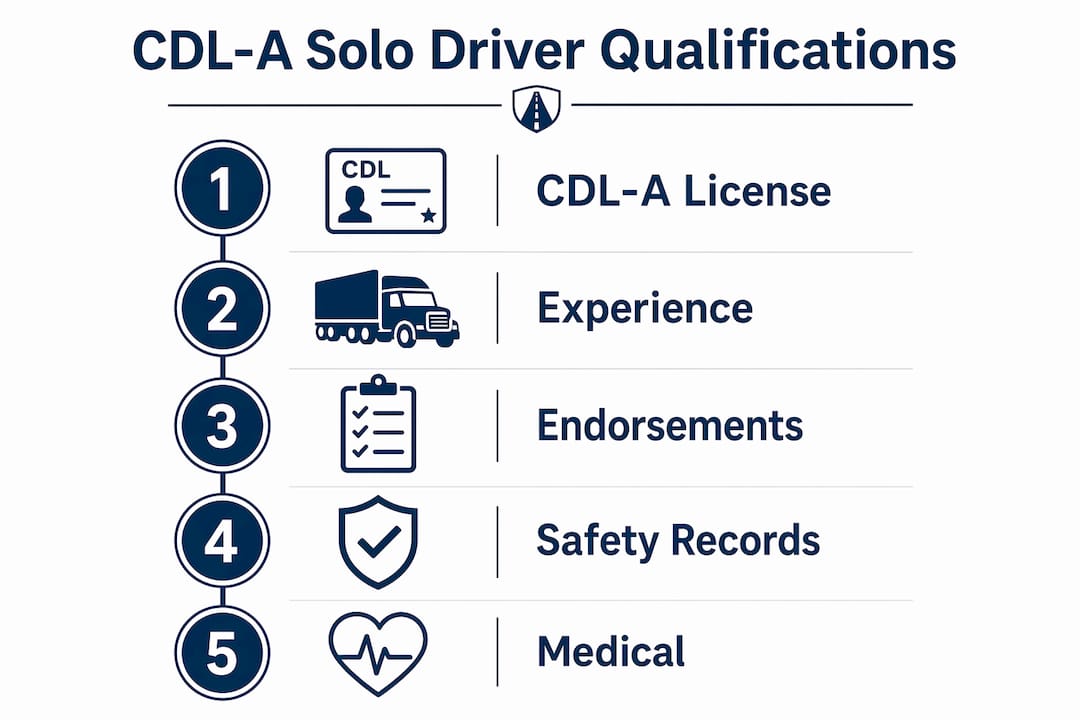
Endorsements expand your options and your earning potential. Hazmat and tanker endorsements, for example, open access to specialized freight that pays above standard rates. You can review what a professional CDL driver with hazmat and tanker endorsements looks like in practice to understand what those credentials add to your profile.
| Qualification | Requirement | Notes |
|---|---|---|
| CDL-A License | Required | Must be current and unrestricted |
| Driving Experience | 9 months to 5 years | Varies by company tier |
| Clean MVR | Preferred | No major violations in past 3 years |
| Hazmat Endorsement | Optional but valuable | Required for hazardous freight |
| Tanker Endorsement | Optional but valuable | Required for liquid bulk loads |
| DOT Physical | Required | Must be current at time of hire |
A clean Motor Vehicle Record (MVR) and a solid safety history carry more weight than most applicants expect. Recruiters in 2026 prioritize safety and stability over a flawless application, meaning a driver with consistent employment and no major incidents will outperform a driver with gaps and violations every time.
Pro Tip: Gather your MVR, PSP report, employment history for the past 10 years, and DOT physical card before you start applying. Having these documents ready cuts your hiring timeline by days and signals professionalism to recruiters.
How do you apply for cdl-a solo driving positions?
A structured application process produces better results than mass-applying to every CDL A job opening in 2026. Follow these steps to move from search to signed offer efficiently.
- Search targeted job boards. Use platforms that specialize in trucking roles rather than general job sites. Ucep, for instance, focuses exclusively on FedEx-related CDL-A driving opportunities, which narrows results to verified, active openings.
- Visit carrier websites directly. Swift Transportation, Ryder, Heartland Express, and Hirschbach all post openings on their own career pages with the most current pay data.
- Build a trucking-specific resume. List your CDL-A license number, endorsements, years of experience, equipment types operated, and your safety record. Keep it to one page.
- Prepare for the phone screen. Recruiters will ask about your MVR, employment gaps, and preferred home time. Answer directly and honestly. Vague answers slow the process.
- Review the contract before signing. Check the per-mile rate, minimum weekly miles guarantee, detention pay policy, and benefit start dates. Missing these details costs money.
When reviewing job offers, watch for these specifics:
- Minimum miles guarantee per week (if any)
- Whether detention pay kicks in after 1 hour or 2 hours
- Fuel surcharge pass-through policies
- Lease-to-own versus company truck arrangements
- Health insurance start date (day 1 vs. 30 days vs. 90 days)
A common mistake is accepting a high per-mile rate without confirming average loaded miles per week. A rate of $0.65 per mile on 1,800 miles per week earns less than $0.59 per mile on 2,500 miles per week. Run the math before you sign.
How can you maximize earnings from solo cdl-a roles?
Pay structures across the best solo trucking companies in 2026 fall into three models: per mile, per stop, and hourly. Most long haul driving opportunities use per-mile pay, while local and dedicated roles often blend per-stop or hourly rates.
Hirschbach pays approximately $1,800 per week for solo drivers on select routes, placing it among the top earners in the OTR segment. Swift Transportation averages around $1,700 per week for comparable roles. These figures reflect base pay and do not always include sign-on bonuses, which can range from $2,000 to $10,000 depending on the carrier and route.
Benefits are part of your total compensation and deserve the same scrutiny as base pay. Day-one PTO accrual is now a differentiator among carriers competing for experienced drivers. Ryder offers PTO that accrues from the first day and can be used or cashed out within the first year of employment. That flexibility has real dollar value, especially for drivers who prefer cash over time off.
Here is what to negotiate or confirm before accepting any offer:
- Sign-on bonus structure: Is it paid upfront or in installments tied to tenure?
- Performance bonuses: Are there safety, fuel efficiency, or on-time delivery bonuses?
- Medical benefits start date: Ryder starts medical coverage after 30 days, which is faster than many carriers.
- Retirement plan: Does the company offer a 401(k) with employer match?
- Pay review schedule: How often are per-mile rates reviewed and adjusted?
Driver autonomy over safety decisions is now a recruitment tool, not just a policy. Carriers that give drivers full authority to refuse unsafe loads or conditions attract and retain better talent. This matters to your earnings because stable employment at one carrier builds seniority, which typically unlocks better routes and higher pay tiers.
What challenges do solo cdl-a drivers face in 2026?
Solo driving places the full weight of safety, scheduling, and decision-making on one person. That is both the appeal and the primary challenge of the role.
The most common challenges solo drivers report include:
- Isolation: Extended time away from family and social networks affects mental health over time.
- Safety responsibility: Every load decision, weather call, and hours-of-service calculation falls on you alone.
- Route complexity: Traffic, construction, and weight restrictions require constant attention.
- Physical health: Long hours seated, irregular sleep, and limited food options create long-term health risks.
- Vehicle issues: Breakdowns on the road without a co-driver require you to manage the situation independently.
Advanced route planning and telematics tools now help solo drivers optimize driving time and fuel efficiency in ways that were not available five years ago. Platforms integrated into modern tractors from Kenworth and Freightliner provide real-time traffic data, weigh station bypass alerts, and fuel price comparisons along the route.
"The best solo drivers treat their cab as a mobile office. They plan their rest stops, fuel stops, and check-in calls the same way a project manager plans a workday."
Pro Tip: Join a driver-focused online community or Facebook group for your carrier or freight type. These networks provide real-time road condition updates, parking tips, and peer support that no app fully replaces.
Key takeaways
CDL-A solo driving in 2026 rewards drivers who combine a clean safety record, the right endorsements, and a clear understanding of pay structures before accepting any offer.
| Point | Details |
|---|---|
| Know your role type | OTR, regional, dedicated, and local roles each offer different pay, home time, and lifestyle trade-offs. |
| Meet experience thresholds | Most carriers require 9 months to 5 years of tractor-trailer experience depending on the route tier. |
| Calculate total compensation | Add base pay, stop pay, bonuses, and benefits before comparing offers from different carriers. |
| Prepare documents early | Having your MVR, PSP report, and DOT physical ready speeds up hiring and signals professionalism. |
| Use tech tools on the road | Route planning and telematics platforms reduce fuel costs and improve on-time performance for solo drivers. |
What i've learned about picking the right solo driving job
Most drivers focus almost entirely on the per-mile rate when evaluating CDL A job openings in 2026. That is the wrong starting point. In my experience, the rate per mile is the easiest number to negotiate and the least reliable predictor of annual income.
What actually determines your earnings is the number of loaded miles you run per week, the consistency of dispatch, and whether the carrier backs up its promises about home time. I have seen drivers leave $0.70-per-mile jobs for $0.58-per-mile positions and increase their annual income because the new carrier ran more consistent miles with fewer empty legs.
Company culture is harder to measure but equally important. Carriers that give drivers genuine authority over safety decisions, as Ryder now highlights in its recruiting materials, tend to have lower turnover. Lower turnover means more experienced dispatch teams, better route assignments, and fewer last-minute load changes that eat into your driving time.
My advice for new solo drivers: spend as much time researching the carrier's reputation among current drivers as you do reading the pay package. Driver reviews, online forums, and platforms like Ucep that aggregate company information give you a clearer picture than any recruiter call. The best solo driving career is built on a stable relationship with one carrier, not a series of short stints chasing sign-on bonuses.
— Aaron
Find your next solo cdl-a role through Ucep
Ucep is a dedicated job board and recruiting platform built exclusively for FedEx Service Providers and the drivers who work with them. If you are searching for verified CDL-A solo driving opportunities in 2026, Ucep centralizes active listings, company profiles, and driver reviews in one place.
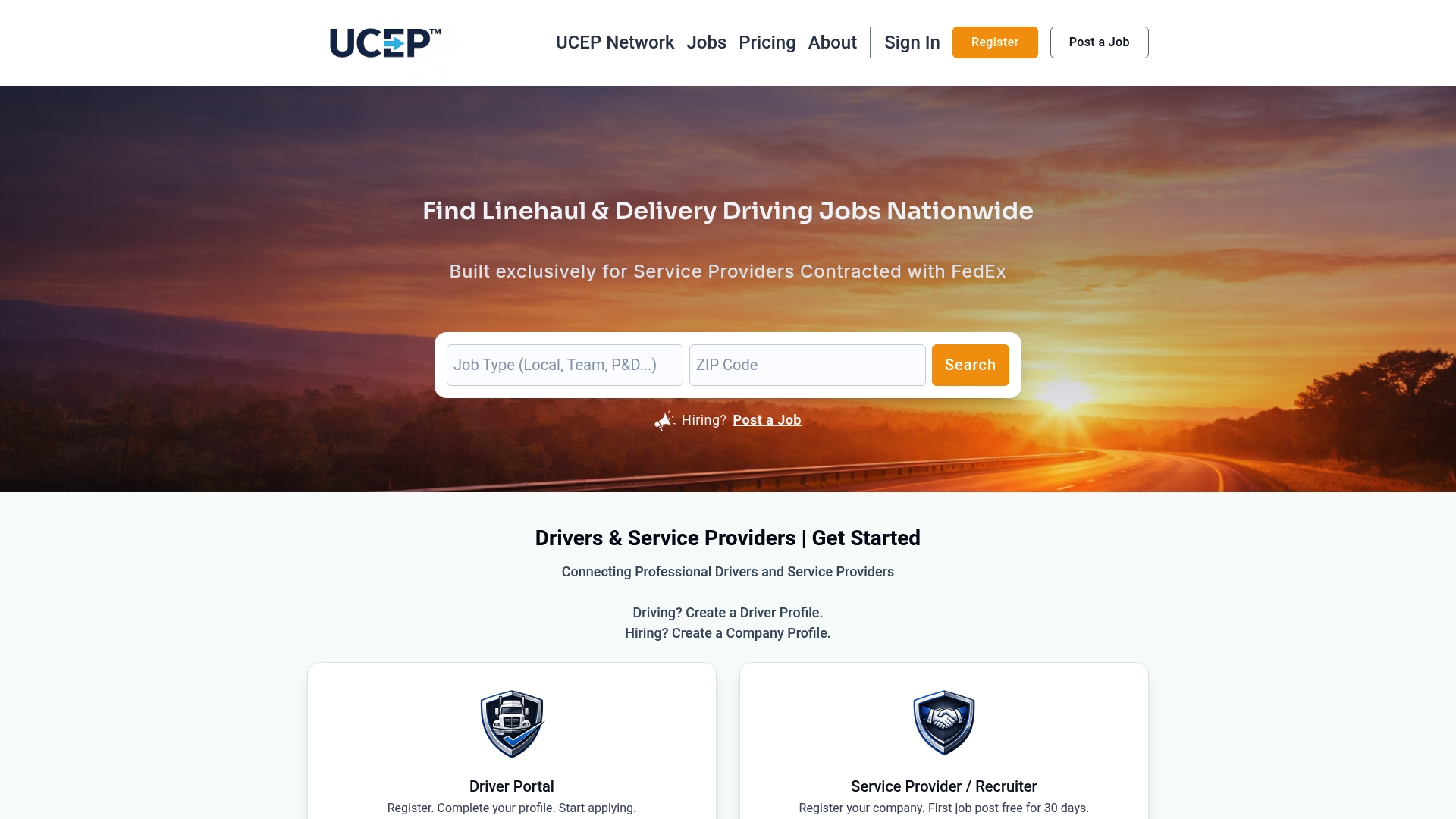
You can browse companies hiring CDL-A drivers and filter by role type, region, and pay structure without sorting through unrelated listings. Ucep also publishes service provider reviews from current and former drivers, giving you direct insight into what working for a specific carrier actually looks like. Use those reviews the same way you would check references before accepting any job offer.
FAQ
What is the average pay for cdl-a solo drivers in 2026?
Solo CDL-A drivers earn between $1,200 and $1,800 per week, with annual salaries ranging from $63,000 to $103,000 depending on route type, carrier, and experience level.
How much experience do you need for a solo cdl-a job?
Most carriers require at least 9 months of tractor-trailer experience within the past 3 years, though premium routes may require 2 to 5 years of documented driving history.
What endorsements improve your chances of getting hired?
Hazmat and tanker endorsements are the most valuable additions to a CDL-A license. They qualify you for specialized freight that typically pays above standard per-mile rates.
What is the difference between OTR and regional solo driving?
OTR routes keep drivers away from home for one to three weeks and offer the highest per-mile pay. Regional routes return drivers home two to four nights per week with slightly lower but still competitive pay structures.
How do you find the best solo cdl-a driving companies in 2026?
Use specialized job boards like Ucep that focus on CDL-A roles, read driver reviews on company-specific forums, and confirm pay and miles guarantees directly with recruiters before accepting any offer.