
CDL-A solo driving is the practice of operating a commercial truck independently, giving you full control over your schedule, routes, and personal space. For drivers weighing their options, the CDL-A solo driving advantages list is longer than most expect. Solo drivers typically earn $50,000 to $85,000 annually, and top-tier specialized roles push that figure above $110,000. The Federal Motor Carrier Safety Administration's Hours of Service regulations cap solo driving at 11 hours per day, a structure that solo drivers manage entirely on their own terms. If autonomy, predictable home time, and personal routine matter to you, solo driving deserves a serious look.
1. Full personal space and cabin privacy
Solo driving gives you complete ownership of your cab environment. You set the temperature, the music, the schedule, and the cleanliness standard. Nobody else's habits affect your rest or your focus.
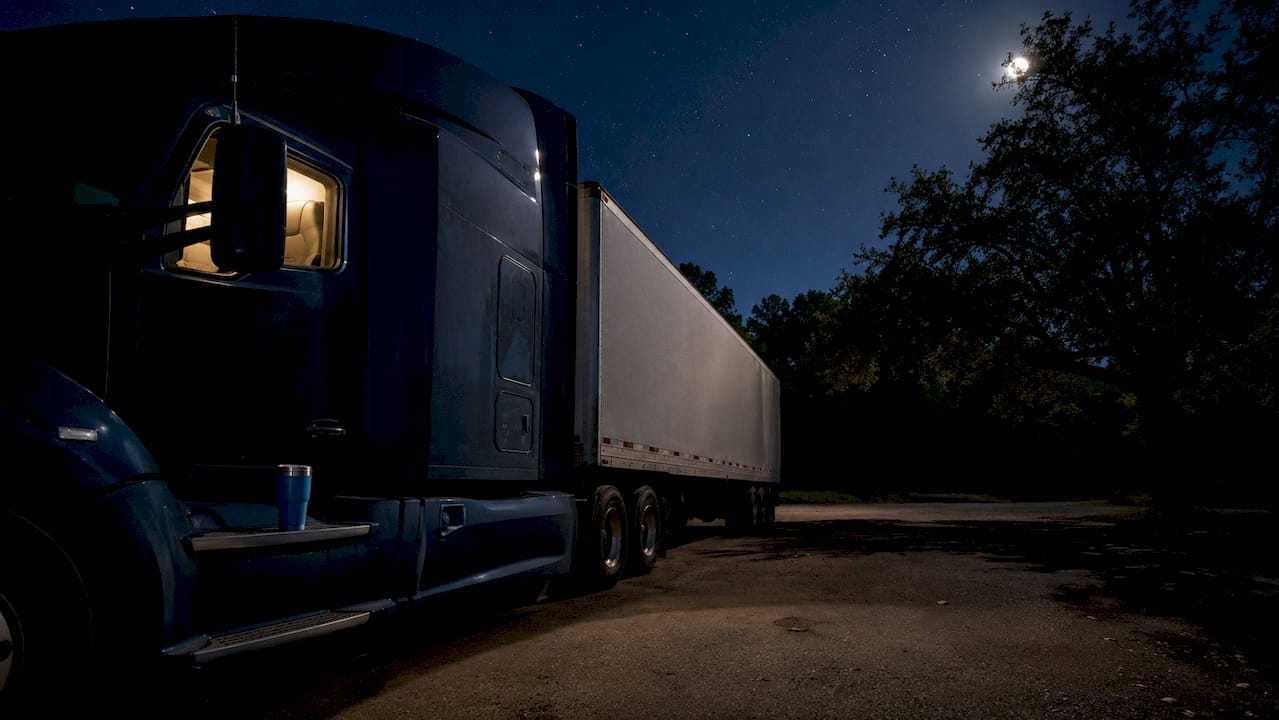
Sleeping in a parked, quiet truck produces measurably better rest than sleeping in a moving vehicle. Team drivers sleep while their partner drives, which means vibration, road noise, and unpredictable stops. Solo drivers park, shut down, and sleep on their own terms. That difference compounds over weeks on the road.
Pro Tip: Invest in quality blackout curtains and a temperature-controlled mattress pad for your sleeper. Better sleep directly improves reaction time and decision-making on the road.
2. Predictable home time for family life
Dedicated solo routes offer weekly home time as a standard feature, not a bonus. Over-the-road solo roles may require 2–3 weeks away, but the schedule remains yours to plan around. Team driving schedules are harder to predict because they depend on two people's availability and the carrier's continuous mileage demands.
Predictable home time ranks as the leading advantage for dedicated solo drivers. Drivers with families consistently cite schedule reliability as their primary job factor. When you know when you are coming home, you can attend school events, plan appointments, and maintain relationships without constant rescheduling.
3. Simplified Hours of Service management
The FMCSA's Hours of Service rules apply to every CDL-A driver, but solo drivers manage them without coordination. You track your own 11-hour driving window and 10-hour rest period. There is no negotiation with a co-driver about when to stop or swap.
Team drivers must synchronize two logs, two rest cycles, and two sets of preferences. That coordination adds friction to every shift. Solo drivers make one decision and execute it. The result is less administrative stress and fewer opportunities for logbook errors.
4. Stronger net earnings in specialized roles
The common belief that team drivers earn more than solo drivers is incomplete. Team trucks cover 5,000–6,000 miles weekly versus a solo driver's 2,000–2,800 miles. But team pay splits between two drivers, and shared expenses do not always cut costs in half.
Specialized solo roles in private fleets, hazmat freight, or temperature-controlled loads regularly pay above the standard range. Top-tier solo specialized drivers earn $110,000 or more annually, which exceeds many team drivers' net take-home pay. The misconception that solo drivers earn less ignores the net pay dynamics entirely.
| Driving Type | Weekly Miles | Annual Earnings Range |
|---|---|---|
| Solo CDL-A (standard) | 2,000–2,800 | $50,000–$85,000 |
| Solo CDL-A (specialized) | 2,000–2,800 | $85,000–$110,000+ |
| Team CDL-A (per driver) | 2,500–3,000 (split) | $55,000–$80,000 net |
5. Dedicated routes reduce deadhead miles
Deadhead miles, meaning miles driven without a paying load, cut directly into your net earnings. Dedicated solo routes reduce deadhead miles from 15–25% down to 5–8%. That reduction saves thousands of dollars in fuel and lost revenue over a full year.
Route familiarity also lowers stress. When you know a lane well, you know the rest stops, the weigh stations, the traffic patterns, and the delivery windows. That knowledge makes every run more efficient and less mentally taxing. Dedicated lanes are one of the strongest financial arguments for solo driving.
6. Full autonomy over career decisions
Solo driving puts you in charge of your career trajectory. You choose between over-the-road and regional routes. You decide when to pursue endorsements like hazmat or tanker. You control the pace at which you build experience in specific freight types.
Entry-level OTR solo driving serves as a career foundation. The best income potential grows in private fleet solo roles that offer better schedules and higher pay. Solo drivers who build expertise in dedicated lanes position themselves for those higher-paying opportunities faster than drivers who rely on team assignments.
- Start with OTR solo to build mileage and experience.
- Pursue endorsements that open specialized freight categories.
- Target dedicated or private fleet roles for schedule stability and higher pay.
- Use route familiarity to reduce deadhead miles and increase net earnings.
Pro Tip: Mastering a single dedicated lane before moving to another builds the kind of route expertise that carriers reward with better pay and priority load assignments.
7. Lower interpersonal stress on the road
Team driving requires constant coordination and compromise with a partner. Personality clashes, different sleep schedules, and disagreements about driving habits contribute to higher turnover in team driving arrangements. Solo driving removes that variable entirely.
You make every decision independently. There is no friction over when to stop for fuel, how cold to keep the cab, or who handles the paperwork. Drivers who value routine and personal control consistently report lower day-to-day stress in solo roles. That reduced stress contributes directly to safer driving and longer career longevity.
8. Flexibility to choose your route type
Solo CDL-A drivers are not locked into one format. Regional solo routes keep you within a defined geographic area, typically within a 500-mile radius, and often allow home time multiple times per week. OTR solo routes cover longer distances and suit drivers who prefer extended time on the road with higher mileage accumulation.
The ability to switch between route types as your life circumstances change is a practical advantage that team driving does not offer as cleanly. A team arrangement requires finding a compatible partner for each new role. Solo driving lets you adapt your route type without that dependency.
9. Mental health management through routine
Solo drivers face what experienced drivers call an isolation tax. Long periods of solitude create psychological fatigue that affects mood, focus, and decision-making. This is a real challenge, and it deserves direct acknowledgment.
The drivers who manage it best build structured routines. They schedule regular phone or video calls with family and friends. They choose regional routes periodically to reconnect with home. They use rest stops as social opportunities rather than purely functional breaks. Proactive community-building is the most effective tool for managing solo driving's isolation. You can also find practical guidance on managing stress and staying safe on the road during demanding seasons.
10. Comprehensive benefits packages
Many carriers extend full benefits to solo CDL-A drivers within the first 30 days of employment. These packages include medical, dental, vision, and paid time off. Some roles also include paid maternity leave and referral bonuses.
Benefits packages in solo roles often match or exceed what team drivers receive, because carriers compete for qualified solo drivers in specialized freight categories. When evaluating a solo position, the full compensation picture, including benefits, matters as much as the cents-per-mile rate.
Key takeaways
Solo CDL-A driving delivers stronger net earnings, better rest quality, and greater career control than most drivers expect before making the switch from team driving.
| Point | Details |
|---|---|
| Net earnings advantage | Specialized solo roles pay $110,000+ annually, surpassing many team drivers' net income. |
| Rest and privacy | Parking to sleep in a quiet truck produces better rest than sleeping in a moving vehicle. |
| Dedicated route efficiency | Dedicated solo lanes cut deadhead miles from 15–25% down to 5–8%, saving real money. |
| Career control | Solo drivers choose their route type, endorsements, and career pace without partner dependency. |
| Isolation management | Scheduling regular social contact and choosing regional routes reduces psychological fatigue. |
Why I think solo driving gets undersold as a career choice
Solo driving has a reputation problem. Drivers hear "team driving" and assume it means more money and more opportunity. The gross mileage numbers support that assumption on the surface. But the net pay story is different, and most drivers do not dig into it until they have already spent time in a team arrangement they did not enjoy.
The drivers I have seen thrive in solo roles share a common trait. They know what they want from their work life before they commit to a format. They value routine, personal space, and the ability to make decisions without checking with someone else first. Those are not weaknesses. They are preferences that solo driving is specifically built to accommodate.
The isolation challenge is real, but it is manageable. Drivers who treat it as a logistics problem, scheduling calls, picking regional routes occasionally, building relationships at regular stops, handle it well. Drivers who ignore it until it becomes a crisis do not.
The financial ceiling in solo driving is higher than the industry narrative suggests. Specialized freight, private fleet roles, and dedicated lanes all pay well above the standard OTR rate. If you are evaluating your options and autonomy matters to you, solo driving is worth a serious financial analysis, not just a lifestyle comparison.
— Aaron
CDL-A solo driving opportunities through Ucep
Ucep is a dedicated job board built exclusively for Service Providers contracted with FedEx. Solo CDL-A drivers can use Ucep to find linehaul, regional, and dedicated solo positions with pay details and home time information listed upfront.
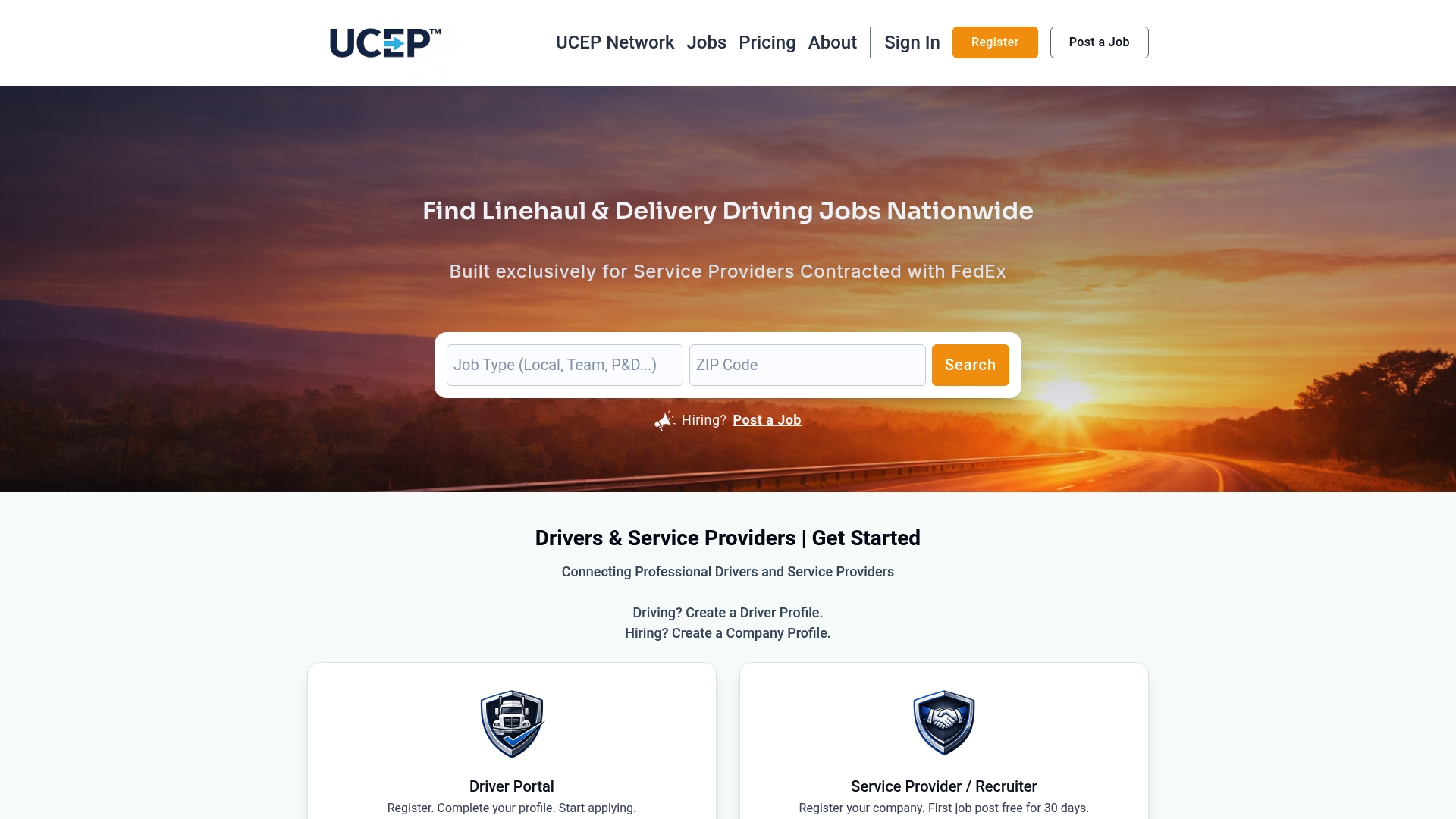
You can browse companies hiring drivers right now and filter for solo CDL-A roles that match your schedule and route preferences. Ucep also publishes service provider reviews so you can evaluate carriers before you apply. Every listing on the platform is tied to FedEx-contracted Service Providers, which means you are looking at verified opportunities in one focused place.
FAQ
What is the average salary for a CDL-A solo driver?
Solo CDL-A drivers earn $50,000 to $85,000 annually in standard roles. Specialized solo positions in private fleets or hazmat freight regularly exceed $110,000 per year.
Do solo drivers earn less than team drivers?
Solo drivers earn less gross mileage pay, but net earnings often match or exceed team drivers after splitting pay and expenses. Specialized solo roles frequently surpass team driving net income.
How much home time do solo CDL-A drivers get?
Dedicated solo drivers typically receive weekly home time. OTR solo roles may require 2–3 weeks away, but the schedule is predictable and managed by the driver alone.
How do solo drivers manage isolation on long hauls?
Experienced solo drivers schedule regular calls with family and friends, choose regional routes periodically, and build social routines at regular stops to reduce psychological fatigue from extended solitude.
Is solo driving better than team driving for career growth?
Solo driving offers more direct control over career development. Drivers can pursue endorsements, target dedicated lanes, and move into private fleet roles at their own pace without coordinating with a partner.